
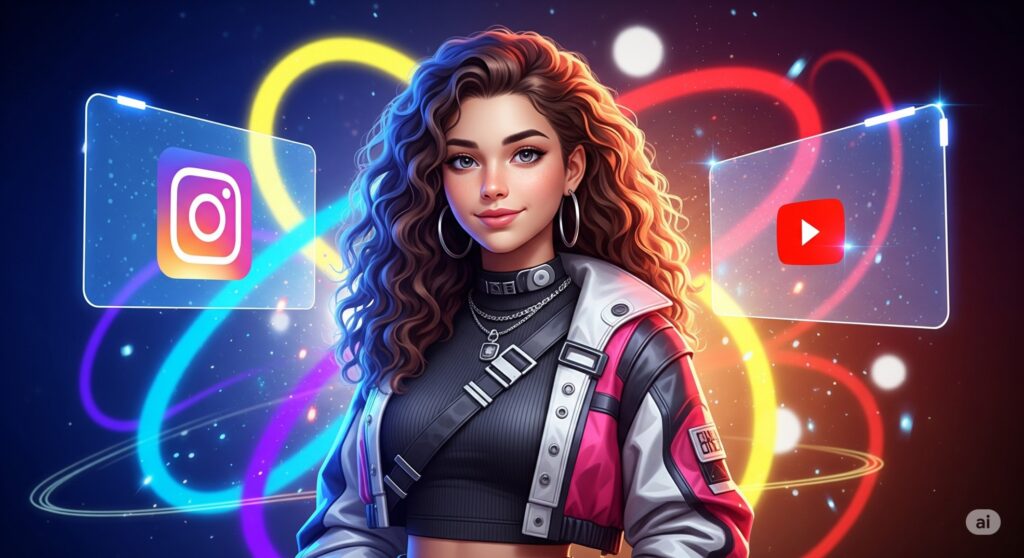
In 2025, AI influencers are no longer just an experiment—they are shaping the future of digital marketing and online engagement. From Instagram fashion icons to virtual fitness coaches, these computer-generated personalities are attracting thousands (even millions) of followers worldwide.
The appeal is clear: unlike human influencers, AI influencers are available 24/7, can be designed to fit any niche, and deliver perfectly on-brand content every single time. But here’s the real challenge—how do you create an AI influencer with a consistent, recognizable face that audiences can trust?
This guide will walk you through the entire process step by step, from defining your influencer’s identity to monetizing your content—ensuring your project is not just creative but also profitable.
Why AI Influencers Are the Future of Social Media
The influencer marketing industry is worth billions, and AI is adding a new layer of opportunity. Some reasons why AI influencers are becoming so powerful include:
- Cost Efficiency – No need for expensive shoots, travel, or management contracts.
- Brand Control – Every post, outfit, and caption can be tailored to match a brand’s values.
- Scalability – AI influencers can appear in different campaigns, languages, and styles at once.
- Global Reach – Virtual personas can appeal to audiences worldwide without physical limitations.
Brands like Prada, Samsung, and Dior have already collaborated with AI-generated influencers—proving that this trend is not just hype but a profitable marketing channel.
Step 1: Define Your AI Influencer’s Identity
The foundation of a strong AI influencer is a clear personality and niche. Ask yourself:
- What niche will they represent? (Fashion, lifestyle, gaming, fitness, travel, parenting, etc.)
- What traits should they embody? (Friendly, luxury-driven, minimalistic, professional, adventurous, etc.)
- How should they look? (Skin tone, hairstyle, clothing style, overall vibe).
👉 Example: A luxury travel influencer might have a polished, high-fashion look, while a gaming influencer might embody a more playful, tech-savvy personality.
The goal is to make your AI influencer feel real and relatable, just like human influencers audiences already follow.
Step 2: Choose the Right AI Tools
Creating an AI influencer doesn’t require coding expertise—but you do need the right mix of tools:
- Stable Diffusion – Generate high-quality, photorealistic images.
- MidJourney – Ideal for artistic, trendy, or stylized influencer looks.
- D-ID or HeyGen – Add lip-sync, facial animation, and video content.
- Fotor / Canva AI – Quick branding, background edits, and social media graphics.
- Runway Gen-2 or Pika Labs – For generating video clips and reels.
💡 Pro Tip: Don’t overwhelm yourself with too many platforms. Start with 2–3 tools that align with your primary content type (images, reels, or videos).
Step 3: Generate the Face and Train for Consistency
One of the biggest challenges is maintaining a consistent face across all posts—otherwise, your influencer will look “different” every time.
Here’s how to achieve consistency:
- Generate multiple face variations until you find one that perfectly represents your influencer’s identity.
- Use LoRA (Low-Rank Adaptation) models or DreamBooth training in Stable Diffusion to “lock in” the appearance.
- Save the trained model so you can generate the same face in different:
- Outfits
- Poses
- Backgrounds
- Lighting conditions
Consistency builds trust with your audience, making your AI influencer recognizable—just like seeing a familiar face on Instagram.
Step 4: Build Branding Around Your Influencer
An influencer isn’t just about looks—it’s about the entire brand package. To make your AI influencer stand out:
- Use signature outfits, accessories, or colors that make them memorable.
- Stick to a consistent editing style or filter for all posts.
- Give them a unique and brandable name that’s easy to recall.
- Create a backstory or personality (even if it’s minimal) to make them more relatable.
👉 Think of your AI influencer like a digital startup—branding is just as important as content creation.
Step 5: Create Engaging Content
Now that you have your AI influencer model ready, the next step is to produce content that resonates with your target audience. Some ideas include:
- Instagram posts & Pinterest boards with curated photoshoots.
- TikTok/YouTube Shorts featuring animated or lip-synced reels.
- Storytelling captions that connect emotionally with followers.
- Behind-the-scenes style content (like “day in the life” posts) to make them feel real.
The secret is authenticity—even though the influencer is AI-generated, the content must feel personal, relatable, and audience-driven.
Step 6: Grow and Monetize Your AI Influencer
Once your AI influencer starts gaining traction, it’s time to monetize. Proven strategies include:
- Brand Collaborations & Sponsorships – Fashion, beauty, and lifestyle brands are already hiring AI influencers.
- Affiliate Marketing – Share links to relevant products and earn commissions.
- Sponsored Posts & Reels – Charge businesses for featuring products in your AI influencer’s feed.
- Merchandise & Digital Products – Create e-books, presets, or branded merchandise.
- YouTube Monetization – Upload reels and long-form content for ad revenue.
💡 Real-world Example: Virtual influencer Lil Miquela reportedly earns over $10 million annually through sponsorships and collaborations.
Final Thoughts: The Future of AI-Driven Influence
Creating an AI influencer with a consistent face is no longer just a futuristic concept—it’s an accessible business model anyone can start in 2025. With the right identity, branding, tools, and consistency, you can build a digital personality that attracts followers, partnerships, and revenue streams.
The key is authenticity and consistency—treat your AI influencer like a real brand ambassador, not just an experiment.
👉 If you’re ready to step into the future of influencer marketing, start today by experimenting with AI tools like Stable Diffusion, MidJourney, and D-ID. Your virtual star could be the next big name in the digital world.

